About This Issue
Our planet is in a climate crisis. 2026 is predicted to be one of the hottest on record, with rising global pollution levels and continued capitalized destruction of nature. But we live here. We live everywhere. Every person, animal, plant, and fossil is at risk, especially those in the Global South and fringe ecological niches. It is vital that as many humans as possible do what we can within our means to help protect and restore this beautiful planet we share.
While some international powers like Denmark and China have made admirable steps toward clean energy and environmental harm-reduction, others such as the United States and Brazil have been dismantling environmental conservation programs and reporting rises in pollution output. That’s why we’ve matched our Issue 17 monetary awards in donations to both Mossy Earth, who run global rewilding projects such as reefscaping, reforesting, ecological nurseries & restoration, biodiversity conservation, environmental research, and partnership projects including native animal species reintroductions/translocations, endangered animal protection and monitoring, and cave clean-ups; and the Alaskan Wilderness League, who run localized conservation projects for the Arctic National Wildlife Refuge and other regional environments crucial to the Gwich’in and Iñupiat peoples, birds from six continents, three species of bears, and several other migratory animal species like caribou & salmon & oxen. Please check them both out to learn more about all the important work they do and how you can support not only their programs, but environmentalist efforts in your community.
Whether invoking the literal climate, the political climate, or the literary climate (looking at you, AI slop), expressing both natural wonders and unnatural disasters through art helps connect us to the world around us. Through fiction, poetry, creative nonfiction, and hybrid writing, the work of our Issue 17 Climate Contest explores Earth in all its growth, grief, and gravity. We asked for your nature writing, emotional ecosystems, environments preserved in ink, your seedling dreams, so that we can bask in the sun, clear the air, meditate on change, and inspire action together.
Thank you so much to everyone who submitted to our Climate Issue contest. We are humbled to have received a record number of contest submissions, and such wonderful ones at that. It’s solely through submission fees that we are able to award our featured creators, pay our contributors, and donate to such an important cause. And, always, thank you to all of our readers without whom none of this would be possible.
first place
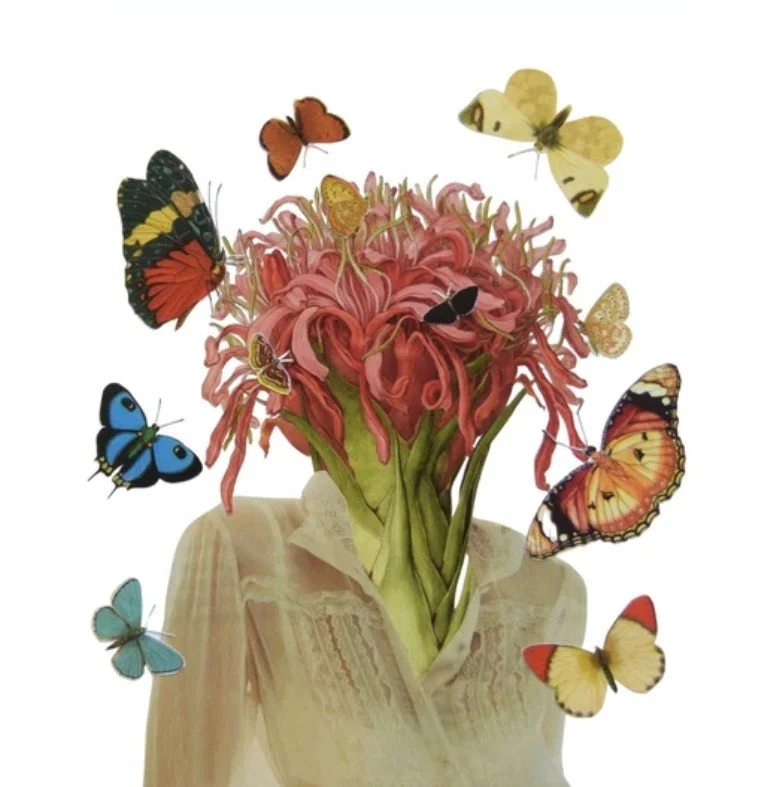
1998
Hear, on the cusp of second millennium
sonic drone of endless septendecim
mating in the trees; this is their moment—
brood color-cast in standard screen ratio,
Kansas brood, pride of the Midwest—hear them
from the comfort of your mother’s full womb.
second place
Boxwood has long been used for chess pieces and yard sticks, combs and woodwind instruments. Bagpipes and tuning pegs. And often, it was the wood carved for wood blocks, used to illustrate early books printed with movable type. And so, the etymology. The writing desk, the writing box. Small tablets or surfaces made of hardwood, fine for writing. Early boxes were made of boxwood, built to endure and protect. Suitable for use and re-use.
third place
Children are not allowed to participate. They are not allowed to listen or watch. The grown-ups write their secrets, their shame, their regrets, on scraps of torn paper, fold and seal them with wax, and place them in their jars. At dusk, they whisper the words into the jars, screw the lids on tight, and bury them beneath their porches, gardens, mailboxes, and windowsills. The earth, they believe, absorbs their guilt. Only then are they brought rain. Only then do their crops bloom.
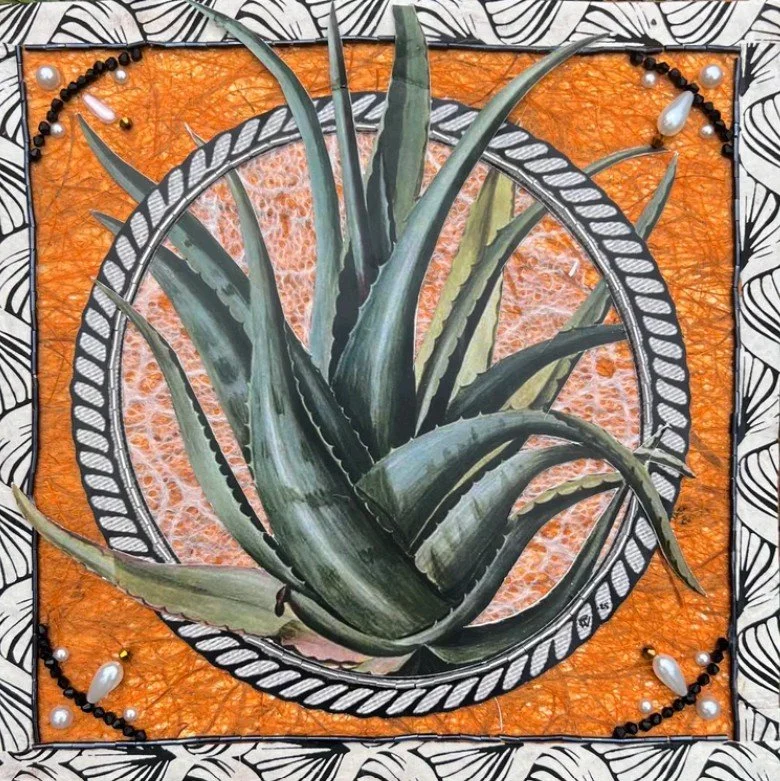
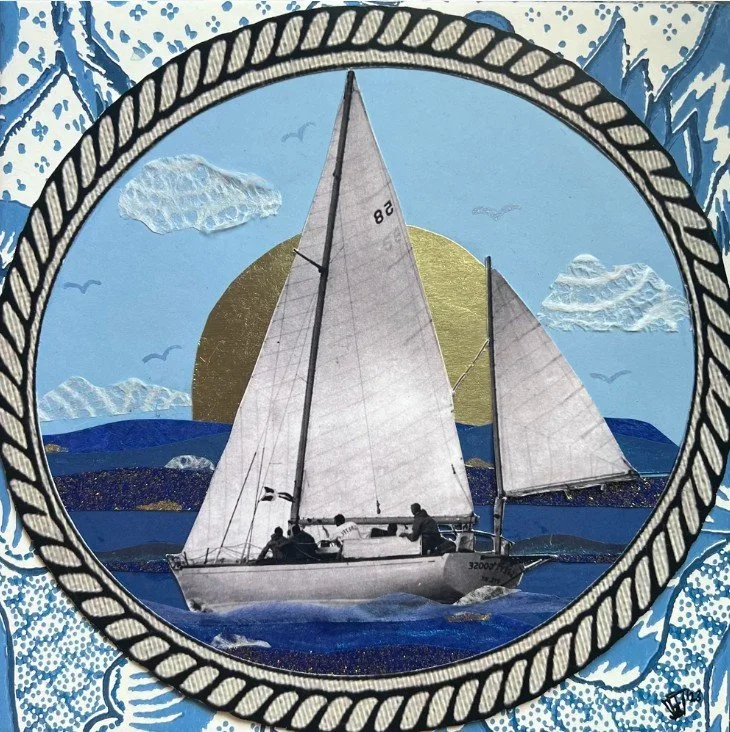
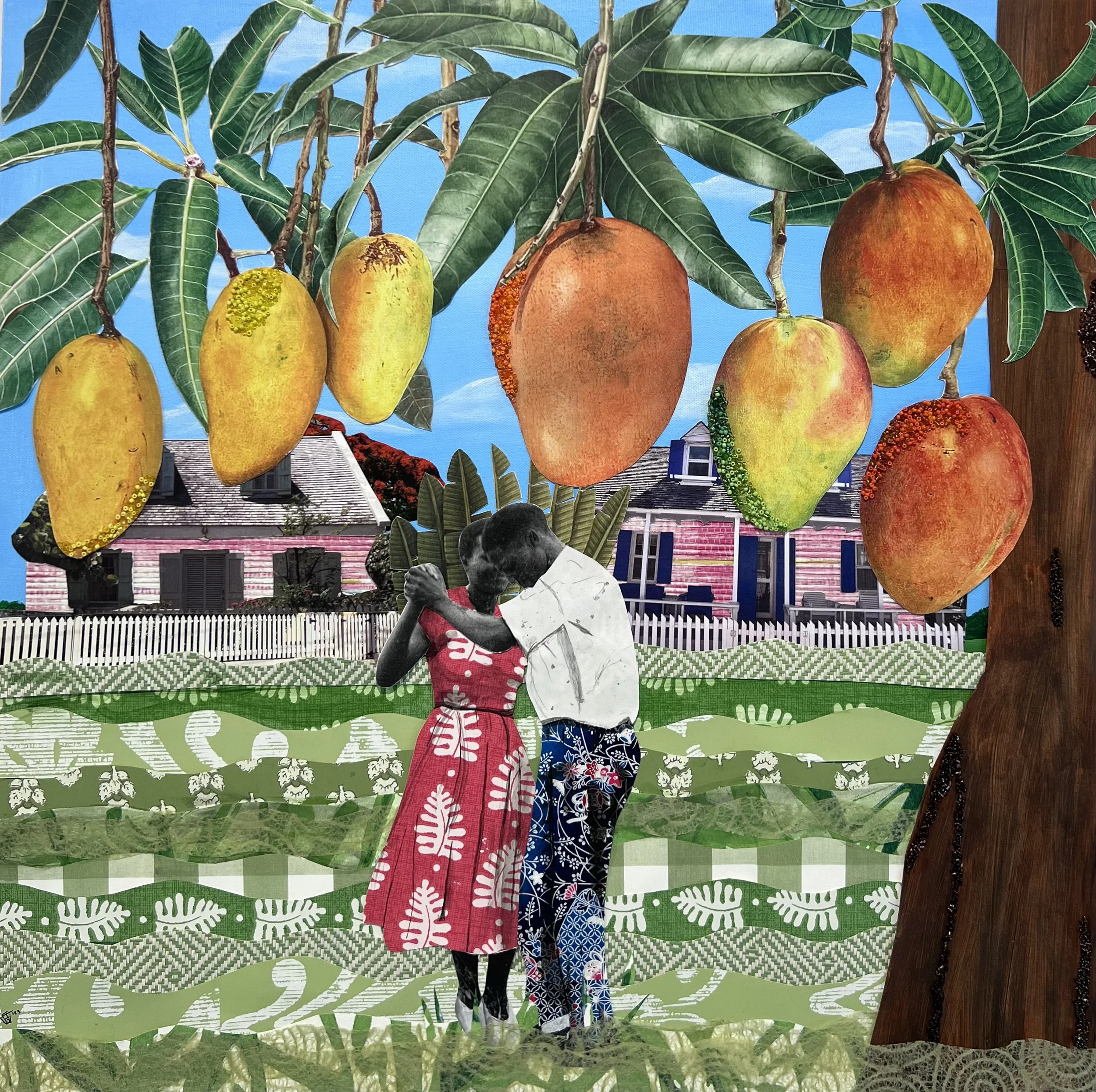
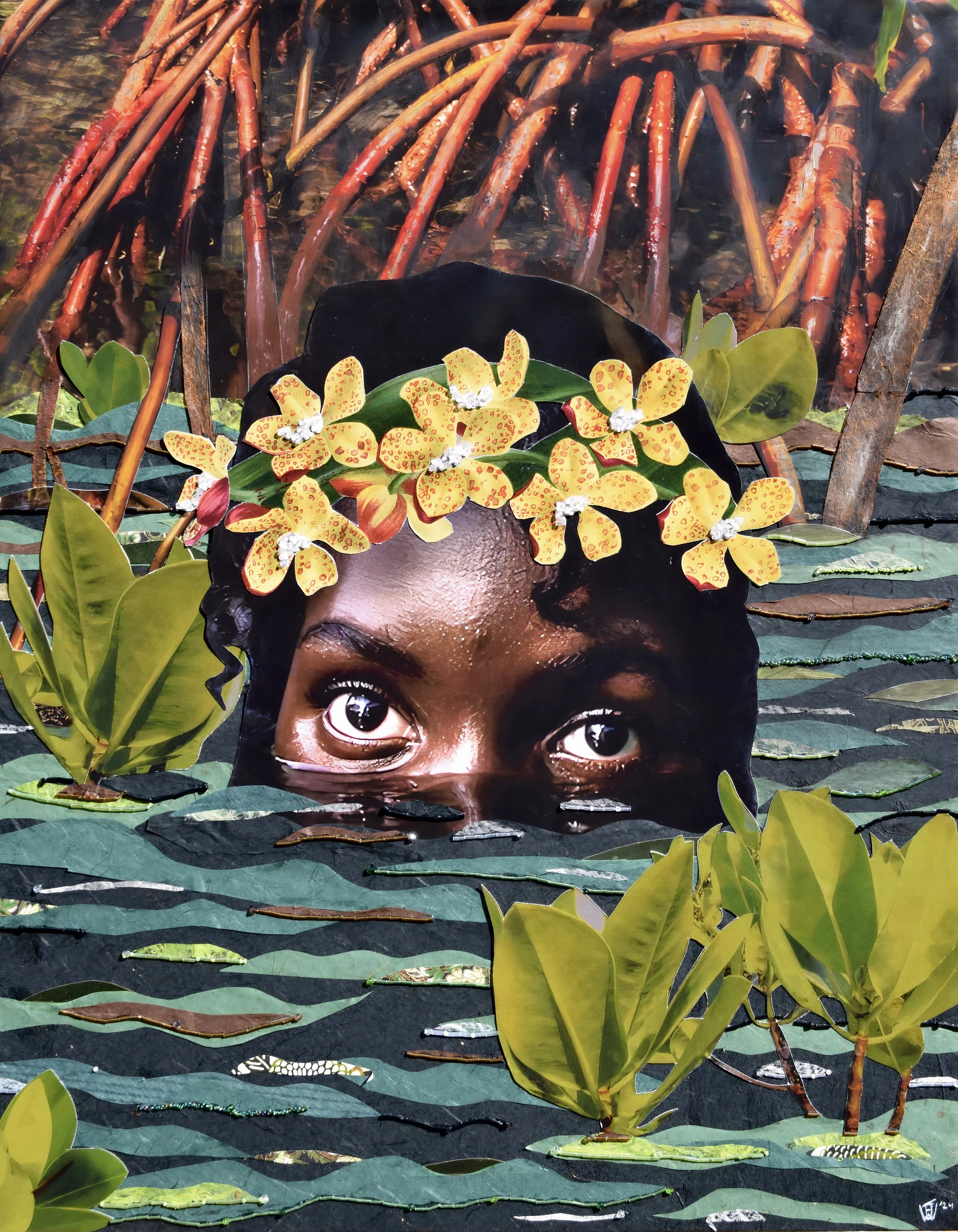
Featured visual artist:
Jessica Whittingham
“The more we globalize and adapt to modern times, the more we move away from nature, of course. But no matter where you go on the island, you’re still surrounded by nature. We are of nature and coexist with it and I like to reflect that relationship in my artwork.”
more from issue 17
licked our lips and swallowed our saliva, creating a sensation of drinking water
it sounds like the hands of a clock: it sounds
like a bike chain slapping: it sounds like famine-
-coughing: trumpets call and wings unfurl
But the crows tell us what is happening there, what none of us can witness, but what they can see. The crows tell us what they know.
We produced the same emotions, but we held them different ways. He throttled his; I coddled mine to my chest.
the future arrives one morning
like poison for children who have not learned to count in the dark
Weeks later, shards of a spine appeared at the feet of a woman at low tide. Then, a femur. And a pelvic bone.
It flutters through the air for a few seconds. Then, it hits the ground and skitters up the shoreline, kicking up sand in a panicked frenzy.
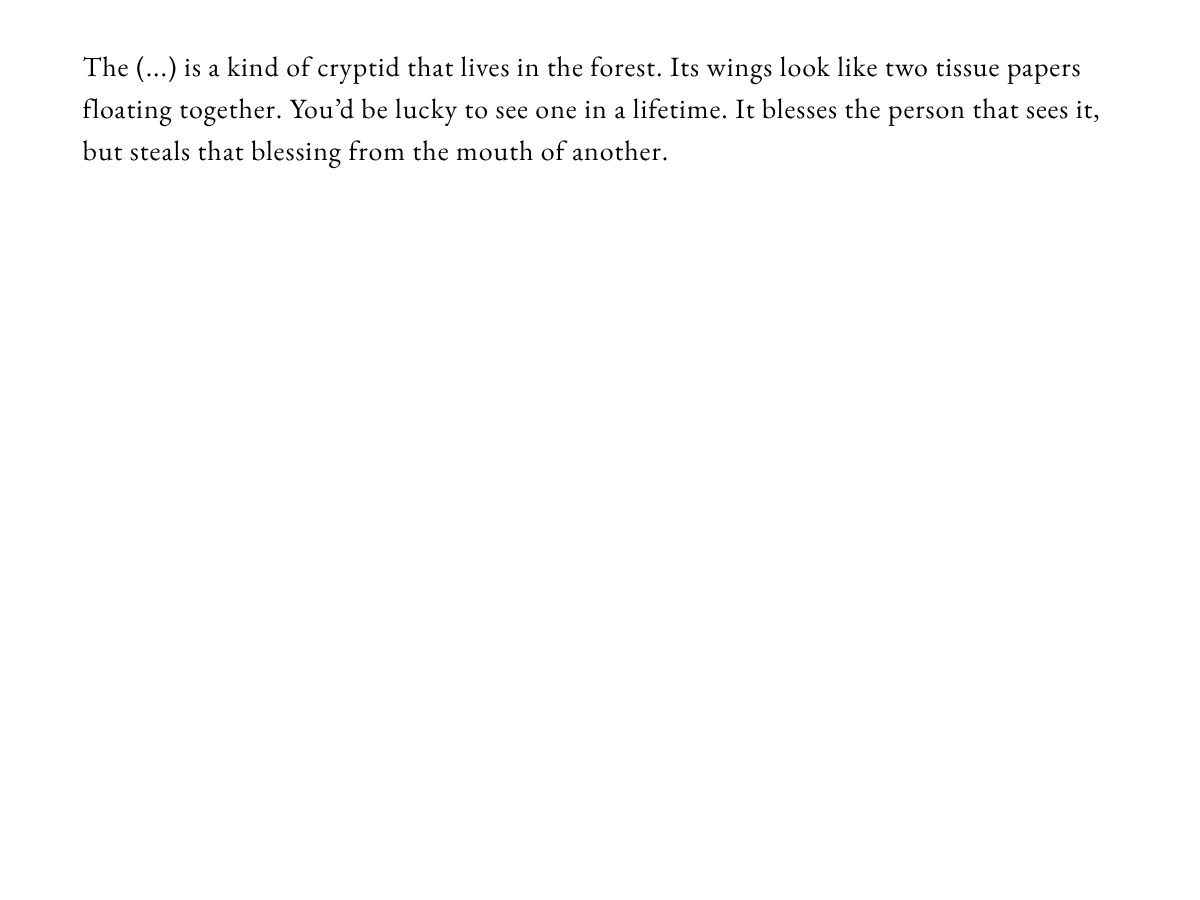
Tiny bodies, their wings unimaginably delicate.
It is not communication. It is physics, operating at the scale of biology.
It is a lesser-known fact that the sky is joined together by two plates at an invisible boundary. Like two lips that when they close erase a smile, they leave a somewhat neutral expression on the sky.
My friend is trying to get me
to remember this time I can’t
remember since I wasn’t there
Under stress, the algae jettison themselves from the coral, taking their colorful chloroplasts with them. A ghost town remains, skeletal and pale.
Their tender woo skims me. I absorb the sound of what is not wooed. I absorb the weight of waiting.
Story by Patrick McEvoy / Art & Letters by Randy Valiente
from the Driver Seat of My 2004 Jeep Grand Cherokee
from Boston’s Deer Island Wastewater Treatment Plant
from the Sierra Nevadas, After the Flood
Is it my place to protect you, before you can choose?
The slender shoots swayed and waved, seeming to beckon her closer, and Fumiko stepped forward in a light-headed moment of longing that defied a lifetime of restraint.
Somewhere in the Congo, a child was mining cobalt. Her phone chimed, warning her it was 20% alive.
Dick names his land Jane. hi, Jane!
we can assume this means Dick owns Jane.
What’s the box for? we asked.
It brings jobs and opportunity, said the man.
Our mayor liked the sound of that.
We all cared because it was inescapable news and the air felt stuffy and smelled like a bonfire.
In the new heat, plant resin
clings to folds among stems, but these bees forage
trash.
Easy money, this business. We pay for everything in handfuls of shells.
Plum trees realize the wind
w/ hot courtyard splats
hungry yellowjackets plow
mouthparts into.
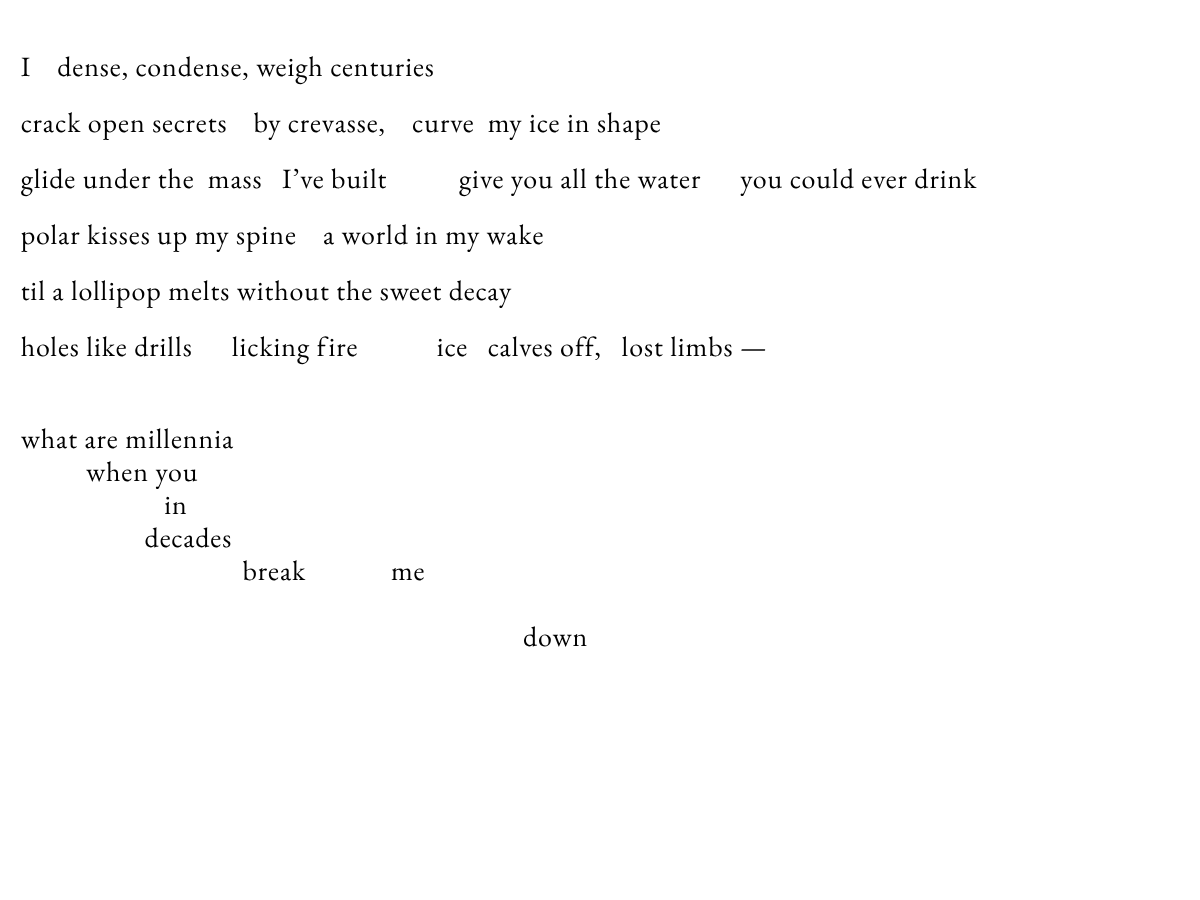
glide under the mass I’ve built give you all the water you could ever drink
climate Issue Features
A conversation with Sarah Durrand about her debut book of poetry, What Flowers May Come (Finishing Line Press), and the writerly life behind its making.